

In the current highly competitive business landscape, delivering an extraordinary customer experience has turned into a top priority for organizations across multiple industries. Clients now anticipate customized interactions and effortless service at every touchpoint, and fulfilling these expectations requires more than just good intentions. This is where customer relationship management (CRM) software comes into play. With advanced CRM solutions, companies can not just streamline their processes but also cultivate enduring relationships with customers.
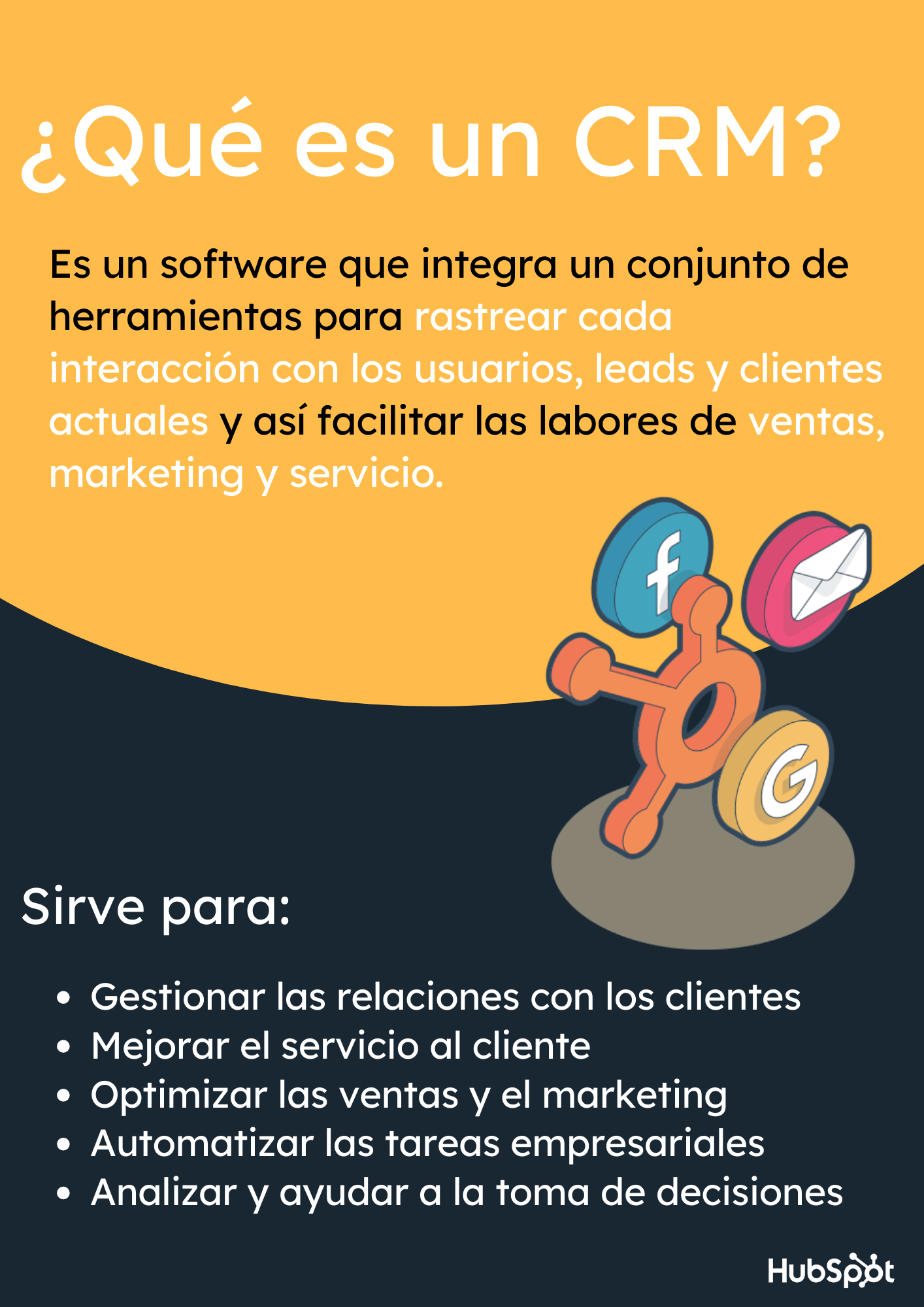
CRM software offers a comprehensive toolkit that empowers businesses to collect and assess customer data, monitor interactions, and manage communications effectively. With these insights, companies can adapt their offerings to meet the unique needs of all customers, thereby enhancing satisfaction and loyalty. As we delve into the various advantages of CRM solutions, it becomes clear that investing in such technology can greatly enhance the overall customer experience, changing the way businesses connect with customers.
Advantages of Customer Relationship Management Software
CRM solutions delivers a wide range of perks that can significantly boost organizational performance. One of the main advantages is the power to centralize client information. With CRM software, all data related to customers, including transaction records, likes, and communication logs, is kept in one accessible place. This enables businesses to have a comprehensive view of their clients, leading to more informed choices and personalized advertising campaigns.
An additional important feature of customer relationship management solutions is improved interaction and collaboration among teams. By providing a common platform for sales teams, marketing, and customer service teams, CRM solutions support better collaboration and make certain that everyone is on the same track regarding customer communication. This cohesion leads to more uniform messaging and a smooth experience for customers, ultimately enhancing customer satisfaction and retention.
Moreover, CRM software improves productivity through automating of repetitive chores. By streamlining processes such as follow-up emails, setting appointments, and data input, businesses can liberate valuable time for staff to devote efforts to more critical tasks. This not only increases productivity but also lessens the likelihood of inaccuracies, further improving the overall caliber of customer interactions and support.
Key Features to Look For
When selecting a CRM system, one of the most crucial features to consider is ease of use. An user-friendly interface allows team members to learn the software efficiently, minimizing the time needed for training and increasing productivity. A seamless experience ensures that users can move through client information, sales processes, and reporting features effortlessly. The less cumbersome the platform, the more likely your team will interact with its tools to enhance customer relationships.
Another critical aspect is integration options. A robust CRM should seamlessly connect with various business applications, such as automated marketing platforms, email platforms, and e-commerce solutions. This interconnectedness provides a holistic view of customer interactions and ensures data transfers seamlessly across departments. By having all information consolidated, businesses can provide more tailored interactions and optimize operations significantly.
Lastly, strong analytics and reporting tools are important in a CRM solution. These features enable businesses to monitor KPIs, customer behavior, and sales trends throughout the year. Comprehensive insights enable teams to make data-driven decisions, enhancing strategy and customer relations. With the appropriate analytics, you can spot areas to improve and ultimately elevate your customer experience.
Deploying Customer Relationship Management Solutions Efficiently
To execute CRM solutions successfully, businesses must start with a clear grasp of their goals and client demands. This involves analyzing present customer engagements and spotting issues that the CRM can resolve. Setting defined goals, such as enhancing customer retention or streamlining interactions, enables teams to select the most appropriate Customer Relationship Management functions and resources that match with their corporate approach.
Education and integration are crucial factors of efficient Customer Relationship Management deployment. Employees should be trained with the essential abilities to utilize the updated solution efficiently. This can be achieved through practical training workshops, thorough user manuals, and continuous assistance. Engaging team members in the initiative promotes buy-in and cultivates a environment of teamwork, ultimately improving the collective performance of the CRM software.
In conclusion, continuous evaluation and modification are crucial for enduring success. crm solutions should frequently assess the effectiveness of their CRM solutions, gathering feedback from users and clients equally. Reviewing data such as client contentment and operational efficiency can give understanding into aspects for refinement. By fostering a cycle of feedback and improvement, organizations can guarantee their CRM systems continue aligned with shifting customer needs and organizational aims.